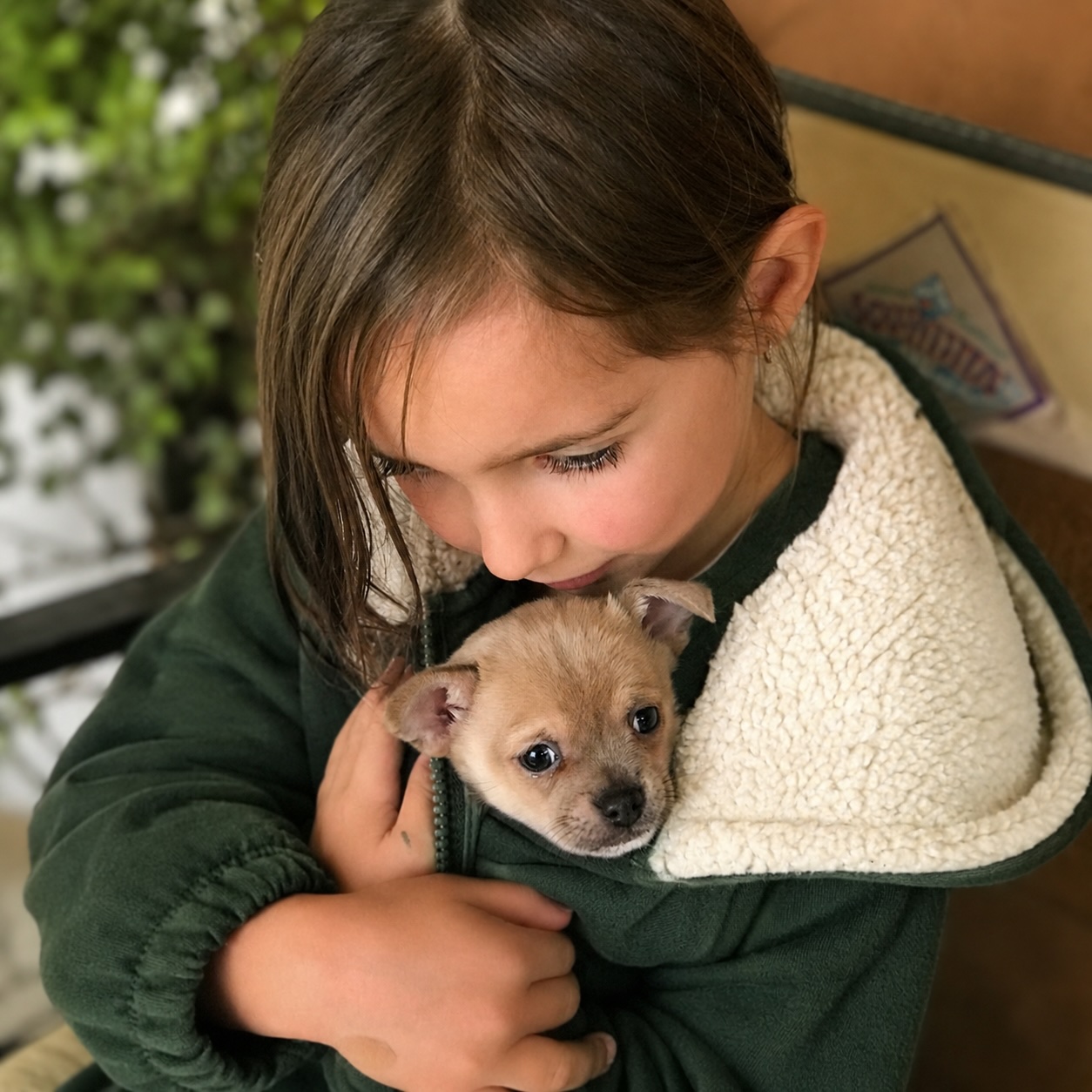
For many of us, dogs are much more than pets. They are companions, walking partners, sources of comfort and an important part of the family.
This International Dog Day, there may be another reason to appreciate the bond we share with our dogs: positive interactions with dogs may influence oxytocin, one of the body’s key hormones involved in social bonding and connection.
What Is Oxytocin?
Oxytocin is a hormone and neuropeptide produced primarily in the hypothalamus. It is sometimes referred to as the “bonding hormone” because of its involvement in attachment, social connection and affiliative behaviours.
Oxytocin is well known for its roles in childbirth and breastfeeding, but its effects extend beyond reproduction. Oxytocin pathways are also involved in how we form and maintain social bonds and respond to positive social interactions.
Interestingly, the relationship between humans and dogs appears to engage some of these same biological pathways.
Can Spending Time With Your Dog Increase Oxytocin?
Research suggests that positive human–dog interactions can influence oxytocin activity, although the response varies between individuals and studies.
Activities investigated include:
- Gently stroking and petting a dog
- Sitting together and having positive physical contact
- Talking to a dog
- Spending relaxed time together
- Mutual eye contact
- Affectionate interaction with a familiar or bonded dog
One of the best-known studies, published in Science, investigated the relationship between mutual gaze and oxytocin in dogs and their owners. The researchers found evidence of an oxytocin-mediated positive feedback loop associated with dog–owner gazing, suggesting that the bond between humans and dogs may utilise biological mechanisms similar to those involved in human social attachment.
Earlier research has also reported increases in plasma oxytocin in humans and dogs following several minutes of positive interaction and stroking. A review of human–animal interaction research concluded that oxytocin may be one biological pathway contributing to some of the psychological and physiological effects associated with positive interactions with animals.
More recent research in children has added to this picture. In a study involving 55 children, interactions with dogs produced greater salivary oxytocin output than a non-social control condition. When children interacted with their own dogs, greater visual co-orientation between the child and dog was associated with greater salivary oxytocin output.
What About Hugging Your Dog?
Physical affection can be part of this interaction, but “hugging” needs a little qualification.
Studies have generally investigated gentle stroking, petting, touching, talking and mutually positive interaction rather than tightly embracing or restraining a dog. Some research has found increases in oxytocin following affiliative human–dog interaction. For example, one controlled study found that dogs participating in 10 minutes of friendly interaction with a person had a 39% increase in salivary oxytocin and a smaller increase in plasma oxytocin.
So rather than assuming every dog wants a human-style hug, think of it as dog-approved affection: sitting together, gentle stroking, cuddling when your dog seeks it, talking calmly and sharing relaxed eye contact.
The interaction should feel safe and enjoyable for both you and your dog.
Dogs, Oxytocin and the Stress Response
The potential benefits of spending time with a dog are unlikely to come from oxytocin alone.
Oxytocin interacts with broader systems involved in stress regulation, social behaviour and emotional processing. Research into human–animal interaction has explored changes in oxytocin alongside measures such as cortisol, heart rate, blood pressure and psychological wellbeing.
There is also the lifestyle effect.
Having a dog may encourage us to:
- Get outside
- Walk more regularly
- Take breaks from screens and work
- Spend time in nature
- Establish daily routines
- Engage socially with other people
- Slow down and be present
- Experience companionship and physical affection
From a naturopathic perspective, these simple behaviours can complement the foundations we regularly discuss for wellbeing: movement, daylight exposure, social connection, sleep, nourishing food and nervous-system regulation.
The Science Isn’t Completely Settled
It is important not to oversimplify oxytocin as a hormone that automatically rises whenever we pat or cuddle a dog.
Not every study has demonstrated an increase.
For example, research from the University of Sydney found no significant change in urinary oxytocin in dogs following dog walking or affiliative interaction with their owners. Other research comparing dogs interacting with bonded owners and familiar people has similarly found considerable variability in oxytocin responses.
Differences in study design, the type and duration of interaction, the relationship between dog and human and whether oxytocin is measured in blood, saliva or urine may all contribute to inconsistent findings.
The evidence therefore supports a more balanced message: positive human–dog relationships appear to interact with the oxytocin system, but the response is complex and individual rather than guaranteed.
A Simple Wellness Prescription for International Dog Day
Today, spend some intentional time with your dog.
Take a walk. Sit outside together. Put the phone away. Give your dog a gentle pat or cuddle if they enjoy it. Talk to them. Allow some relaxed eye contact. Enjoy simply being together.
Sometimes supporting wellbeing doesn’t need to involve another supplement or complicated routine.
It might have four paws, a wagging tail and be waiting for you at the front door.
Happy International Dog Day from Well Naturopathy.
References
Nagasawa, M., Mitsui, S., En, S., Ohtani, N., Mitsui, N., Ohta, M., Sakuma, Y., Onaka, T., Mogi, K., & Kikusui, T. (2015). Oxytocin-gaze positive loop and the coevolution of human-dog bonds. Science, 348(6232), 333–336.
Powell, L., Edwards, K. M., Bauman, A., Guastella, A. J., Drayton, B., Stamatakis, E., & McGreevy, P. (2019). Canine endogenous oxytocin responses to dog-walking and affiliative human-dog interactions. Animals, 9(2), 51.
MacLean, E. L., Gesquiere, L. R., Gee, N., Levy, K., Martin, W. L., & Carter, C. S. (2017). Effects of affiliative human-animal interaction on dog salivary and plasma oxytocin and vasopressin. Frontiers in Psychology, 8, 1606.
Beetz, A., Uvnäs-Moberg, K., Julius, H., & Kotrschal, K. (2012). Psychosocial and psychophysiological effects of human-animal interactions: The possible role of oxytocin. Frontiers in Psychology, 3, 234.
Marshall-Pescini, S., Schaebs, F. S., Gaugg, A., Meinert, A., Deschner, T., & Range, F. (2019). The role of oxytocin in the dog-owner relationship. Animals, 9(10), 792.
This article is for general educational purposes and is not intended to replace individual medical or veterinary advice.